A simple guide to homeschool attendance tracking: what to record, how to count school days, and how to keep records without extra work.
For a lot of homeschool families, attendance tracking sits in the back of the mind all year. You know you should be keeping records. You're just not sure what counts, or you meant to write it down and then October happened.
The good news: attendance tracking is one of the easiest parts of homeschooling once you have a simple system.
First, check what your state asks for
Homeschool requirements vary a lot from state to state. Some states ask families to track a set number of school days or hours. Some ask for records only if requested. Others ask for very little at all.
Before you build a system, look up your own state's homeschool law. Your state's department of education website or a homeschool legal organization will usually lay out what's required. Once you know the rules, you'll know how much to track.
What counts as a school day?
This is the question homeschool parents ask most, and the answer is usually more generous than you think. Learning doesn't only happen at the kitchen table. Depending on your state's rules, a school day can include:
Regular lessons at home
Co-op classes
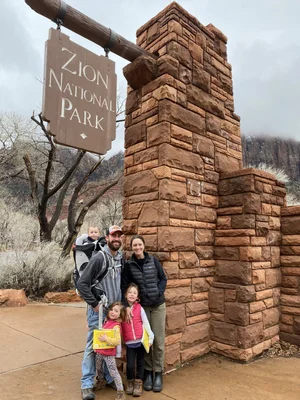
Field trips to museums, zoos or historic sites
Library days
Nature walks and outdoor learning
Educational travel
If your kids learned something meaningful that day, it's worth recording.
What to record
Even if your state asks for very little, a few simple records are worth keeping. They're helpful if you ever move, enroll in a program, or just want to see how far your kids have come.
Dates of school days. A simple yes or no for each day.
Subjects covered. Which subjects each child worked on.
Lessons completed. Which chapter or lesson they finished.
Work samples. A few pieces of work per subject, per term.
Keep it automatic
The best attendance system is one you don't have to think about. If you're writing attendance separately from your lesson plans, it's easy to forget. Tie the two together instead. When a child finishes their lessons for the day, that day counts, and you have a record of what they did.
A few ways to do this:
Check off a paper calendar at the end of each school day.
Keep a simple spreadsheet with one row per day.
Use a homeschool planner that records attendance as your kids complete their checklists.
Do a quick monthly review
Once a month, take five minutes to look over your records. Count your school days, note anything missing, and add a work sample or two. This small habit keeps you from scrambling at the end of the year.
Let your planner keep the records
Hey Juniper gives each child a daily checklist from your own curriculum and tracks attendance as you go. When lessons get checked off, your records build themselves, so the end of the year is a review, not a panic.